

Trust the process, take care of yourself, and know that mental clarity is waiting for you on the other side. These first few https://berndgonzales.de/2022/08/the-hidden-dangers-of-binge-drinking-risks-you/ weeks are critical because they are when the risk of relapse is highest. During the 12- to 24-hour time frame after the last drink, most people will begin to have noticeable symptoms. These may still be mild, or the existing symptoms might increase in severity. There is no exact timeline for alcohol withdrawal, and individual factors, such as the level of dependence on alcohol, will influence it. There’s a clear link between alcohol and memory loss, inflammation, and sleep disturbance.
It helps individuals identify and change negative thought patterns while providing coping strategies for emotional regulation. Engaging in mindfulness practices and stress-reduction techniques, such as deep breathing exercises or meditation, can also support emotional stability during this turbulent phase. Navigating these symptoms is crucial for anyone seeking improved mental health and cognitive function during recovery. Yes, brain fog is a common symptom of alcohol withdrawal and may continue for a while afterwards.
- It is important to recognize the impact of alcohol withdrawal on cognitive abilities and address brain fog proactively.
- The Reframe app equips you with the knowledge and skills you need to not only survive drinking less, but to thrive while you navigate the journey.
- If a pregnant woman cannot abstain, she should aim to reduce her alcohol consumption as much as possible.
- People with severe addictions or a long history of alcohol misuse may suffer serious withdrawal symptoms when quitting.
- Long holiday weekends often feel like an invitation to relax and indulge, which can lead those with problematic drinking habits to rationalize excessive consumption.
The Role of Exercise in Improving Mental Health During Recovery
- Once a person recovers from their brain fog, they should continue their addiction treatment.
- Assessments or cognitive tests can also indicate improvements over time.
- As the first central operations hire at Landmark, Becca built and led teams across the operations function, supporting significant growth during her tenure there.
- As the body gradually eliminates alcohol and its byproducts, individuals may experience a resurgence in cognitive and emotional capabilities.
If you are experiencing brain fog after quitting drinking, you may wonder if it will go away on its own. These factors include the severity of the alcohol abuse, how long the individual has been drinking, and overall health status. During this recovery timeline, it’s important to be patient with yourself and prioritize self-care. Give your brain time to heal and focus on activities that promote overall well-being, such as getting enough sleep, eating a balanced diet, and engaging in regular exercise. Taking care of your mental health through therapy and support groups can also aid in the recovery process. With continued sobriety, you may begin to notice improvements in your cognitive function over time.
Start Your Personalized Recovery Journey Now
At LifeQuality TMS we want to give you back your quality of life and unshackle you from the constant burden of your depression. Plus, we’re always introducing new features to optimize your in-app experience. We recently launched our in-app chatbot, Melody, powered by the world’s most powerful AI technology. Melody is here to help as you adjust to a life with less (or no) alcohol. You’ll meet millions of fellow Reframers in our 24/7 Forum chat and daily Zoom check-in meetings. Receive encouragement from people worldwide who know exactly what you’re going through!

The importance of staying informed about the science of addiction
The Reframe app equips you with the knowledge and skills you need to not only survive drinking less, but to thrive while you navigate the journey. Our daily research-backed readings teach you the neuroscience of alcohol, and our in-app Toolkit provides the resources and activities you need to navigate each challenge. Struggling with alcoholism can feel overwhelming, but support and hope are always within reach. By learning more, you can better support yourself or a loved one on the journey to recovery. Our team is available 24 hours a day, 7 days a week to answer any questions you may have.
Exercise and Mental Stimulation
Liver damage can lead to a build-up of toxins in the blood, which can cause a range of symptoms, including brain fog. If you have a history of substance use disorders or engage in binge drinking, you’re at a higher risk for persistent brain fog. Recovery from alcohol-induced brain fog can take weeks to months, with some experiencing impairments for up to six months post-abstinence. You may grapple with confusion, forgetfulness, and difficulty concentrating.
Remedies for Alcohol Mental Fog
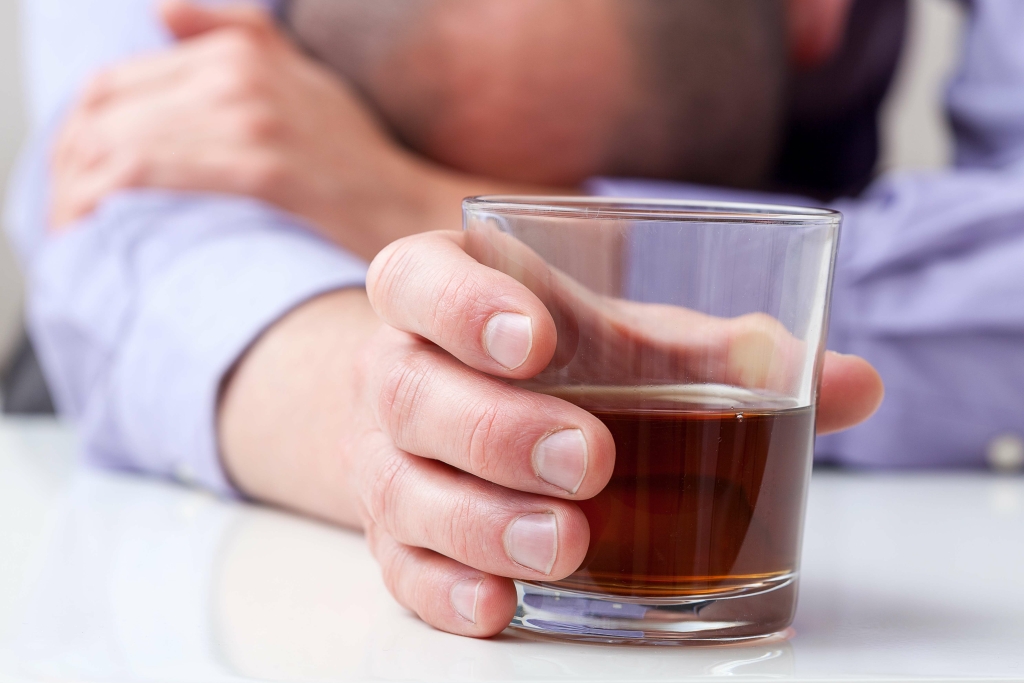
Whether you’re ready to begin treatment or just want more information, we’re here to help you move forward. In addition, consider incorporating mindfulness practices like meditation or journaling into your routine. These tools help reduce stress and bring greater awareness to your mental state. Over time, they can support a healthier relationship with your thoughts, emotions, and choices.
We specialize in compassionate, evidence-based care tailored to your needs. Whether you’re seeking help for yourself or a loved one, we’re here to guide you every step of the way. Prolonged alcohol use increases the likelihood of developing dementia and other neurodegenerative conditions.
Another simple but effective way to reduce brain fog is to get some sunlight. In addition to physical exercise, brain fog after drinking it’s also important to exercise your brain. What you eat significantly affects how you feel and your overall brain health. Just be sure to avoid sugary drinks as they can actually worsen brain fog. Alcohol can disrupt sleep, so it’s important to get plenty of rest after drinking. He is also a Health Commissioner for San Mateo County’s 145,000 member Medicaid plan.
This is why people who are severely dehydrated get easily confused and disoriented — sometimes even becoming delirious. Many people with brain fog also feel fatigued — both mentally and physically. It’s almost as if there’s a layer of film in our mind that prevents our brain from working as well as it normally does. When you consume alcohol, it disrupts the delicate Sober living home balance of neurotransmitters in your brain, leading to cognitive impairments that manifest as brain fog.
